US bank regulators favor flexible guardrails over strict new rulebooks
Law firm Moore & Van Allen reported from The Clearing House Annual Conference that US federal bank regulators are leaning toward flexible guardrails rather than prescriptive rules for AI, digital assets and payments, leaving institutions responsible for their own risk management and compliance.
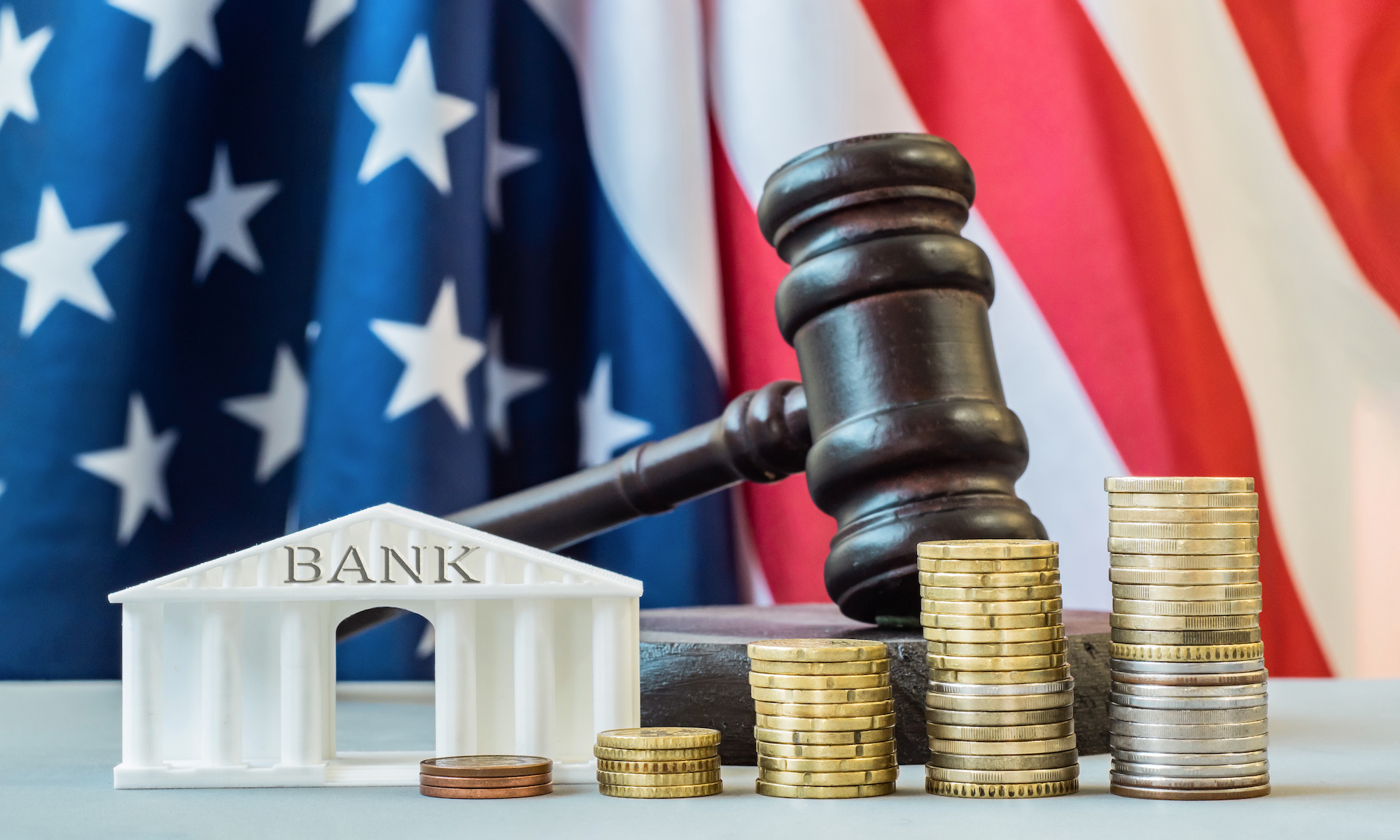
U.S. federal bank regulators are leaning toward adaptable guardrails and away from rigid new regulations, according to a Nov. 24 blog post from the law firm Moore & Van Allen. The post distilled five lessons from The Clearing House Annual Conference in New York.
Supervisors take their observations seriously, the firm noted, even where problems fall short of formal enforcement. Openness to newcomers persists too, such as a proposal for limited-purpose Federal Reserve accounts aimed at nonbanks. At the same time, existing risk requirements are being extended to AI and digital assets. In the market, stablecoins are still used mostly for cross-border transfers and crypto on-ramps and off-ramps, whereas tokenized deposits are making headway in commercial and wholesale payments.
Two further pressures weigh on banks and payment providers. Congress, once past the midterms and moving toward the 2028 election cycle, is expected to favor focused oversight and small bipartisan measures instead of broad banking legislation. And when a payment is disputed, AI agents that act on a consumer's behalf muddy the rules on liability and authorization.
The post concluded that how well an institution runs its own risk and governance programs matters more and more. For payments leaders and FinTechs, that means ongoing activity around digital assets and nonbank access to payments, harder liability debates over AI-driven transactions, and tighter examination of banks' risk handling in the absence of a strict rulebook.